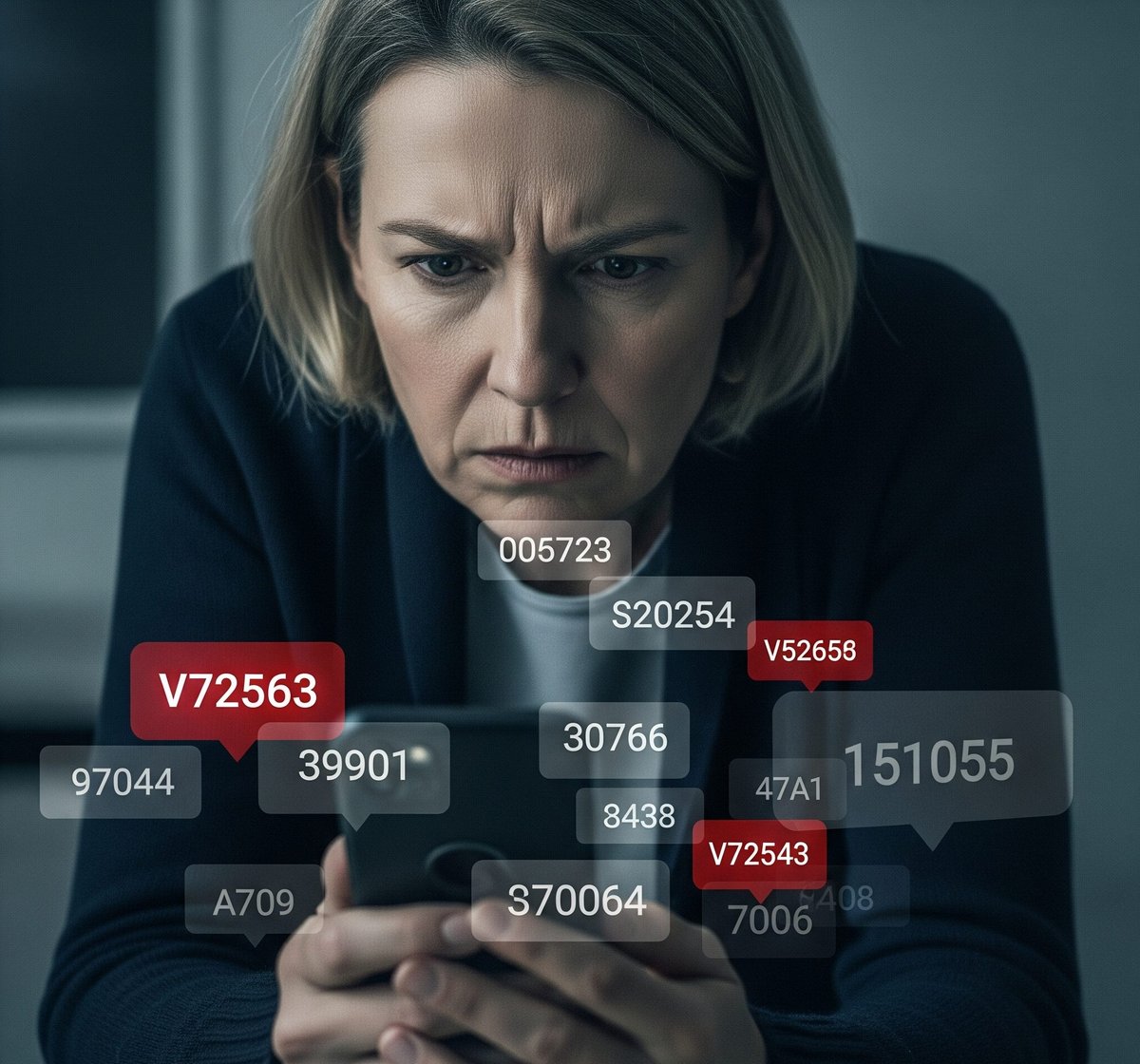
In our interconnected world, a simple sequence of numbers can unlock vast geographical distances and cultural experiences. When you see "+86" pop up on your screen or prepare to dial it, you're not just looking at a generic number; you're looking at the digital gateway to China, a nation of immense history, innovation, and a population of over a billion people. This isn't just an "area code" in the traditional sense, but rather the country code that bridges continents, linking you directly to the heart of Asia.
Understanding the significance of the +86 code is crucial whether you're managing international business, connecting with loved ones, or simply curious about an incoming call. It’s your first step in navigating the intricacies of international communication with one of the world's most dynamic countries.
Unpacking the +86: China's Digital Identifier
The +86 code serves as China's unique international identifier in the global telecommunications network. Much like a postal code guides a letter to the correct country, +86 directs your call to China before local area codes and specific line numbers take over. It's the essential prefix that signals to the global telephone system that your call is destined for this vast Asian nation, which boasts a population of over 1.3 billion and covers an area of nearly 9.6 million square kilometers, with its capital in Beijing.
This country code is the fundamental piece of information needed for any cross-border communication. To fully grasp what this code represents and its foundational role in connecting with one of the world's largest economies, we invite you to explore our in-depth guide: Identifying Country Code 86: What.
Mastering the Art of Calling China
Making an international call can sometimes feel daunting, but with the right information, it’s a straightforward process. When dialing to China from another country, you'll always start with your own country's international exit code, followed by China's country code (+86), then the specific area code for the city you're calling, and finally the local phone number. For instance, dialing to Beijing would involve a sequence like [Your Exit Code] + 86 + 10 + [Local Number].
Each region within China has its own distinct local phone prefix, which is added after the +86 country code. Knowing these specific sequences ensures your call reaches its intended recipient without error. If you're planning to call, our detailed guide outlines the exact steps and common practices for various countries, making your next international call hassle-free: How to Dial to Country.
Optimizing Your International Calling Budget
International calls, especially those to distant countries like China, can sometimes incur significant costs depending on your service provider and calling plan. It's wise to research and compare different providers to find the most economical and reliable options. Factors like call quality, connection stability, and per-minute rates can vary widely.
Many providers offer specialized international calling packages, VoIP services, or prepaid options that can significantly reduce the expense of staying connected. To ensure you're getting the best value for your money and avoiding unexpected charges, it's crucial to compare different services. Discover providers that offer competitive pricing and excellent service for calls to China by visiting: Compare China calling rates Best providers.
Staying Safe: Recognizing Scams and Spam Calls
Unfortunately, the anonymity provided by international dialing can sometimes be exploited by malicious actors. Calls originating from the +86 country code are occasionally associated with various scams, including phishing attempts, fake technical support, or even elaborate schemes designed to extort money. These fraudulent calls often aim to create a sense of urgency or fear to trick individuals into divulging personal information or financial details.
It's essential to exercise caution and skepticism when receiving unexpected calls from international numbers, especially if they demand sensitive information or prompt you to take immediate action. Learning to identify the red flags of these fraudulent communications is your best defense. Protect yourself and your information by understanding the common tactics used in these schemes; our dedicated resource offers critical insights: Scams from country code 86 Recognize.
Navigating China's Internal City Codes
Beyond the overarching +86 country code, China is segmented into numerous regional area codes, each corresponding to a specific city or province. For example, Beijing uses the area code 10, Shanghai uses 21, and Guangzhou uses 20. These two-digit area codes are vital for directing calls to the correct geographical location within China once the international connection via +86 has been established.
Understanding these internal codes is essential for making precise calls, whether you're reaching out to a bustling metropolis or a quieter provincial town. A wrong area code, even with the correct country code, can result in a misdialed call or costly errors. To ensure you have the correct information for your calls to major Chinese cities and regions, you can easily find detailed lists of area codes and their corresponding locations here: Explore Chinas major city codes Find.
Your Bridge to China
The +86 country code is far more than just a number; it's a critical component of global connectivity, enabling communication, commerce, and cultural exchange with one of the world's most influential nations. By understanding how to use it, how to manage costs, and how to stay safe from potential threats, you empower yourself to navigate the international calling landscape with confidence and clarity. Continue to explore our resources to deepen your understanding and enhance your global communication experience.