Connecting across continents often feels like navigating a digital maze, especially when you're trying to reach someone in a country as vast and vibrant as China. If you've ever stared at a phone number, wondering which sequence of digits opens the right gateway, you're not alone. Understanding the Major City Area Codes Within Country Code 86 (China) is your first crucial step to seamless communication, ensuring your calls land exactly where they need to, every single time.
This isn't just about memorizing numbers; it's about confidently making contact, whether for business, family, or travel. We'll demystify the dialing process, highlight key city codes, and equip you with the knowledge to connect like a pro.
At a Glance: Your Quick Guide to Dialing China
- Country Code: Always start with +86 for any call into mainland China.
- Area Codes: Most major cities use 2-digit area codes for fixed-line phones.
- Fixed-Line Numbers: Typically 7 or 8 digits long, following the area code.
- Mobile Numbers: Begin with specific prefixes (e.g., 13X, 15X, 18X) and do not use city area codes. They are usually 11 digits long after the +86.
- International Calls: You'll need your country's International Direct Dialing (IDD) prefix before +86.
- Local Calls: Within the same area code, you usually don't need to dial the area code for fixed lines.
Unpacking China's Dialing System: Beyond the +86
Every international call initiates with a country code, and for mainland China, that's consistently +86. This single, universal prefix acts as the primary gateway, telling the global telephone network your call is destined for Chinese territory. Think of it as the country's unique postal code in the telecommunications world. Without it, your call wouldn't even know which country to try and reach.
However, the journey doesn't end with the country code. Just like many large nations, China employs a sophisticated system of area codes to direct calls to specific regions and cities within its borders. This is particularly relevant for fixed-line (landline) telephone numbers. When you dial a landline in China from abroad, or even from a different city within China, that area code becomes indispensable. It’s what distinguishes a call meant for a bustling metropolis like Shanghai from one destined for a historic capital like Xi'an.
While some sources might describe varying digit lengths, fixed phone numbers in China are typically comprised of the single country code (+86), followed by a 2-digit area code, and then a 7- or 8-digit local line code. Understanding this structure prevents costly misdials and ensures your message gets through. The country code 86 area code really is just the beginning of your dialing journey.
Your Essential List: Major City Area Codes Within China's +86
When calling a fixed-line number in China, the area code is your navigator. These codes typically range from two to four digits, with most major cities utilizing a two-digit code. Below, you'll find a comprehensive list of area codes for China's most significant cities, from its vibrant economic hubs to its historical and cultural centers. This table is your go-to reference for ensuring your call reaches the correct destination.
Remember, these codes are primarily for fixed-line phones. Mobile phones in China do not use city-specific area codes; their numbers are nationally unique.
| City (English Name) | City (Chinese Name) | Province/Municipality | Area Code | Example Dialing (from outside China) |
|---|---|---|---|---|
| Beijing | 北京 | Beijing Municipality | 10 | +86 10 XXXX XXXX |
| Shanghai | 上海 | Shanghai Municipality | 21 | +86 21 XXXX XXXX |
| Guangzhou | 广州 | Guangdong | 20 | +86 20 XXXX XXXX |
| Shenzhen | 深圳 | Guangdong | 755 | +86 755 XXXX XXXX |
| Chengdu | 成都 | Sichuan | 28 | +86 28 XXXX XXXX |
| Hangzhou | 杭州 | Zhejiang | 571 | +86 571 XXXX XXXX |
| Chongqing | 重庆 | Chongqing Municipality | 23 | +86 23 XXXX XXXX |
| Tianjin | 天津 | Tianjin Municipality | 22 | +86 22 XXXX XXXX |
| Nanjing | 南京 | Jiangsu | 25 | +86 25 XXXX XXXX |
| Wuhan | 武汉 | Hubei | 27 | +86 27 XXXX XXXX |
| Xi'an | 西安 | Shaanxi | 29 | +86 29 XXXX XXXX |
| Qingdao | 青岛 | Shandong | 532 | +86 532 XXXX XXXX |
| Dalian | 大连 | Liaoning | 411 | +86 411 XXXX XXXX |
| Suzhou | 苏州 | Jiangsu | 512 | +86 512 XXXX XXXX |
| Xiamen | 厦门 | Fujian | 592 | +86 592 XXXX XXXX |
| Harbin | 哈尔滨 | Heilongjiang | 451 | +86 451 XXXX XXXX |
| Shenyang | 沈阳 | Liaoning | 24 | +86 24 XXXX XXXX |
| Jinan | 济南 | Shandong | 531 | +86 531 XXXX XXXX |
| Changsha | 长沙 | Hunan | 731 | +86 731 XXXX XXXX |
| Zhengzhou | 郑州 | Henan | 371 | +86 371 XXXX XXXX |
| Note: "XXXX XXXX" represents the local fixed-line number, which is typically 7 or 8 digits long. | ||||
| This table provides a solid foundation for dialing. However, China is vast, and many smaller cities and rural areas have their own area codes, which might be three or four digits long. If your destination isn't listed here, a quick online search for the specific city's area code is always recommended. |
Mastering the Dial: Your Step-by-Step Guide
Calling China, especially to a major city, involves a specific sequence of numbers. Getting even one digit wrong can mean a failed call or, worse, an expensive misdial to an unintended recipient.
1. Calling a Fixed-Line in China from Another Country
This is the most common scenario that requires the country code and area code.
Sequence: [Your Country's International Access Code] + 86 + [Chinese City Area Code] + [Local Fixed-Line Number]
- Step 1: Dial your International Access Code (IDD). This code tells your phone provider you're making an international call.
- For most of North America (USA, Canada, etc.):
011 - For most of Europe, Asia, and many other regions:
00 - You can often replace the IDD with a
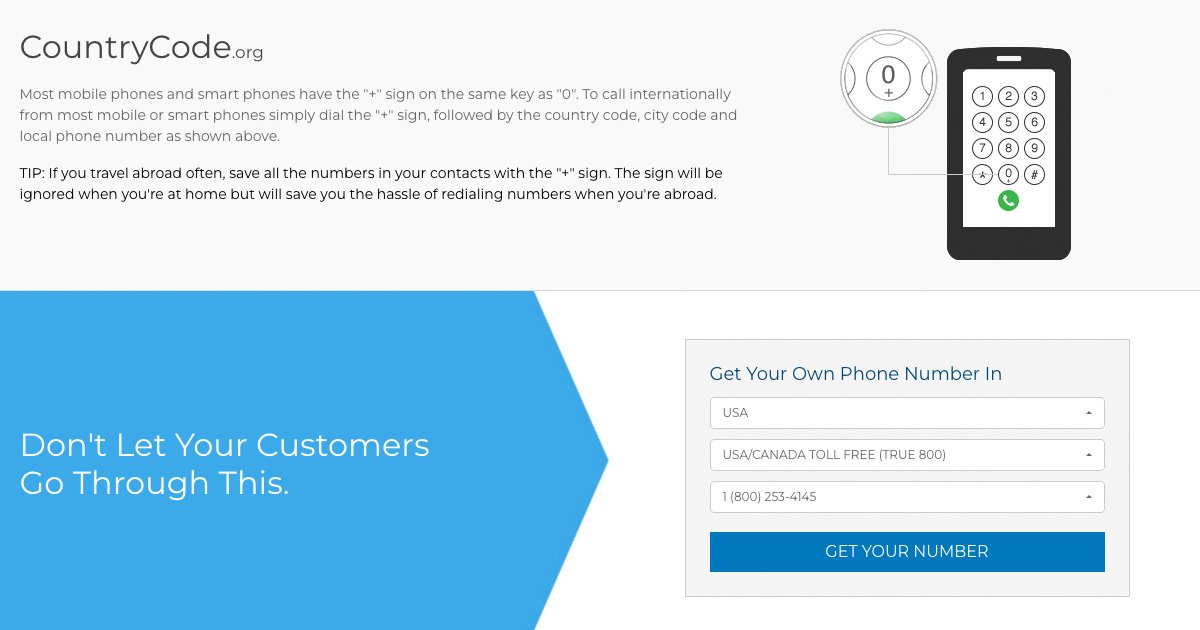
+symbol on mobile phones, which automatically inserts the correct exit code. - Step 2: Dial China's Country Code. This is always
86. - Step 3: Dial the City Area Code. Refer to the table above (e.g.,
10for Beijing,21for Shanghai,755for Shenzhen). - Step 4: Dial the Local Fixed-Line Number. This is the specific 7 or 8-digit number you want to reach.
Example: Calling a landline in Beijing from the USA
If the Beijing number is 1234 5678:011 86 10 1234 5678
Example: Calling a landline in Shanghai from the UK
If the Shanghai number is 9876 5432:00 86 21 9876 5432
2. Calling a Mobile Phone in China from Another Country
Chinese mobile numbers are distinct because they do not use city area codes. They are typically 11 digits long, starting with a specific prefix.
Sequence: [Your Country's International Access Code] + 86 + [Chinese Mobile Number]
- Step 1: Dial your International Access Code (IDD) or
+. - Step 2: Dial China's Country Code (
86). - Step 3: Dial the 11-digit Chinese Mobile Number.
- Example mobile number: 139 1234 5678
Example: Calling a Chinese mobile from the USA
If the mobile number is 139 1234 5678:011 86 13912345678
Example: Calling a Chinese mobile from Germany
If the mobile number is 139 1234 5678:00 86 13912345678
3. Calling Within China (Domestic Calls)
When you're already in China, the dialing rules change slightly depending on whether you're calling a fixed line or a mobile, and if it's within the same area code.
- Fixed-line to Fixed-line (Same Area Code): You usually only need to dial the local fixed-line number (e.g.,
1234 5678). - Fixed-line to Fixed-line (Different Area Code): You need to dial
0(domestic long-distance prefix) +City Area Code+Local Fixed-Line Number. - Example: From Beijing calling a Shanghai landline 9876 5432:
0 21 9876 5432 - Any Phone (Fixed or Mobile) to Mobile: Just dial the 11-digit mobile number directly (e.g.,
139 1234 5678). You do not need0or an area code. - Mobile to Fixed-line (Anywhere in China): Dial
0+City Area Code+Local Fixed-Line Number. - Example: From a mobile in China calling a Beijing landline 1234 5678:
0 10 1234 5678
Beyond the Numbers: Smart Calling Practices for China
Getting the digits right is just one part of a successful international call. Several other factors can impact your experience, from cost to convenience.
Navigating Time Zones
China operates on a single time zone (Beijing Time, or China Standard Time, CST), which is UTC+8. This simplifies things within the country but makes international calling a crucial calculation. A call that feels like a convenient afternoon chat from your end might be a rude awakening for someone in China, or vice-versa. Always check the current time in your destination city before dialing to avoid inconvenient calls.
Fixed Lines vs. Mobile: A Key Distinction
As reiterated, fixed-line numbers require an area code, while mobile numbers do not. This fundamental difference often trips up international callers. If you have a Chinese number, always confirm if it's a mobile or a landline to ensure you dial correctly. A common identifier for mobile numbers is that they are always 11 digits long and typically begin with '1'.
Cost Considerations: Smart Budgeting for International Calls
International calls to China can be expensive if you're not careful. Traditional landline-to-landline international dialing often incurs high per-minute rates from your service provider.
Consider these alternatives:
- VoIP Services: Services like Skype, WhatsApp, WeChat, or Google Voice offer significantly cheaper, or even free, calls over the internet. Many Chinese contacts prefer WeChat for communication, including voice and video calls.
- International Calling Plans: Check if your mobile carrier offers international calling packages or add-ons that can reduce per-minute costs.
- Prepaid Calling Cards: While less common now, these can still offer competitive rates for specific destinations.
Double-Check Everything
Before pressing that send button, take a moment to review the entire number sequence. A common mistake is forgetting the international access code, dropping the '0' for domestic long-distance calls, or misremembering an area code. Each digit counts, and a quick verification can save you time, frustration, and money.
Decoding Common Questions About Chinese Area Codes
Even with the right information, a few specific questions often arise when dialing into China. Let's tackle them head-on.
Are all Chinese fixed-line area codes 2 digits?
No, while major cities typically have 2-digit area codes (like Beijing's 10 or Shanghai's 21), many smaller cities and prefectures use 3 or even 4-digit area codes (e.g., Shenzhen's 755, Hangzhou's 571). The pattern tends to be that larger administrative divisions get shorter, more memorable codes.
Do mobile numbers in China have area codes?
Absolutely not. This is a critical distinction. Chinese mobile phone numbers are 11 digits long and do not have geographic area codes like landlines. They start with a mobile network prefix (e.g., 13X, 15X, 18X, 17X, 19X), which identifies the carrier but not a specific city. So, when dialing a mobile, you go straight from +86 to the 11-digit mobile number.
What does it mean if I get a busy signal or "number not in service"?
Several factors could cause this:
- Incorrect Number: Double-check the entire sequence, including the country code, area code, and local number. A single digit off can lead to this message.
- Mobile vs. Fixed-Line Confusion: You might be dialing a mobile number format for a fixed line, or vice versa.
- Time Zone Issues: You might be calling at an extremely inconvenient hour when the recipient is asleep or their office is closed, though this usually results in an unanswered call rather than an error message.
- Line Congestion: Rarely, but possible during peak times, especially for older fixed lines.
- Invalid Number: The number might genuinely be out of service or no longer assigned.
Can I use a reverse phone number lookup for Chinese numbers?
Yes, reverse phone number lookup services do exist for China. However, their accuracy and the amount of information they provide can vary significantly due to privacy regulations and the sheer volume of phone numbers. If you're trying to identify the origin of an unknown call from China, these tools can sometimes help by identifying the city or carrier associated with the number, but they rarely provide personal subscriber details.
Ensuring Your Call Connects: Final Pointers for Peace of Mind
Navigating the complexities of international dialing doesn't have to be daunting. By understanding the core structure of Chinese phone numbers—the essential role of the +86 country code, the city-specific area codes for fixed lines, and the unique format of mobile numbers—you're well on your way to successful communication.
Always prioritize verifying the full number, including distinguishing between a mobile and a fixed-line. Utilize the tools at your disposal, like this guide and readily available online resources, to confirm any codes you're unsure about. Remember to consider the time difference and call costs, opting for internet-based solutions like WeChat when possible. With these strategies, your next call to Beijing, Shanghai, or any other part of China will be confident and clear, bridging distances and strengthening connections.